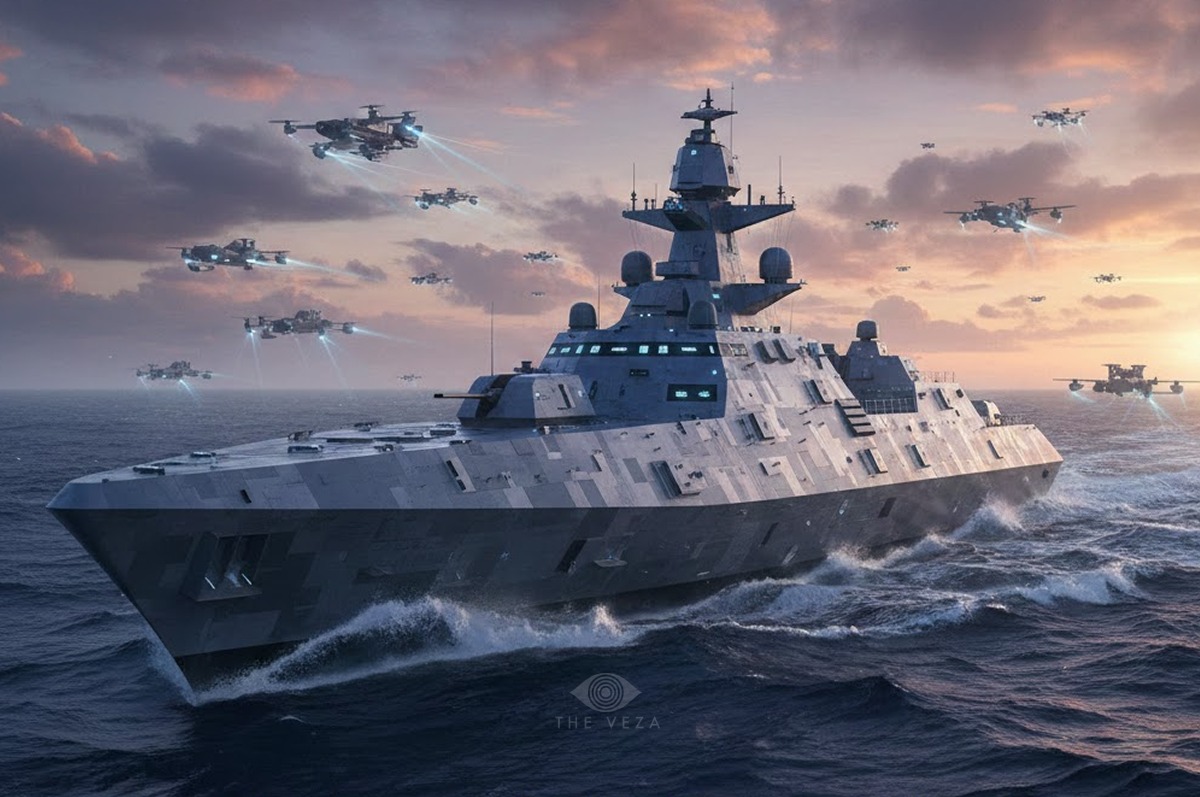
World Navy News: How AI and Drone Warfare Are Transforming Modern Navies
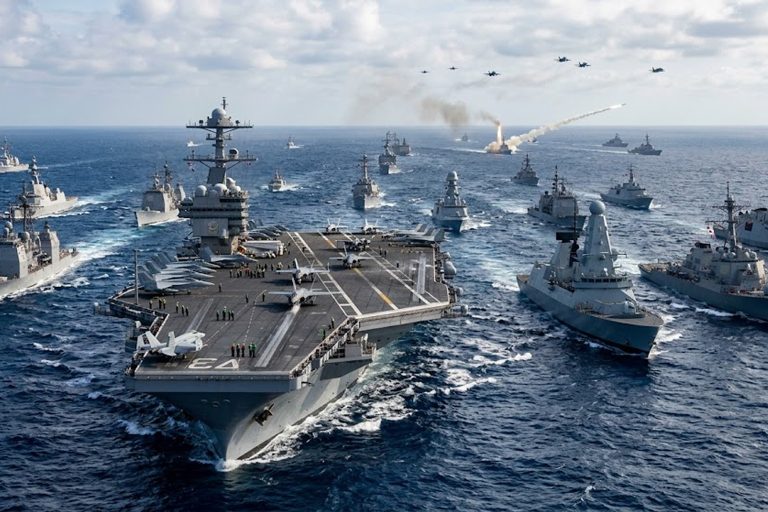
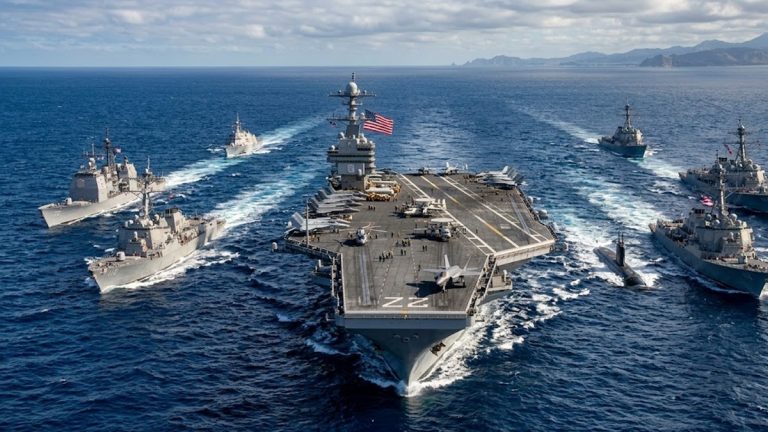
Strength at sea meant size. Bigger ships, larger fleets, heavier firepower. If a nation wanted influence across oceans, it built more steel and sent it farther. But something has begun to change — not dramatically, not in a way that immediately grabs headlines, but steadily enough that those following World Navy News can feel it happening. The real transformation in naval warfare today isn’t always visible. It’s happening inside computer systems, control rooms, and networks of machines quietly collecting and interpreting information. Modern navies are discovering that the greatest advantage at sea may no longer be the ship itself, but the intelligence guiding it. The ocean hasn’t changed. The way humans operate within it has.
When Knowing First Matters More Than Arriving First
For decades, naval strategy was built around presence. Whoever could deploy the largest force into a region held the advantage. Ships represented power simply by being there. But modern warfare moves at a different speed. Every naval operation now produces overwhelming amounts of information — radar sweeps, satellite images, sonar echoes, electronic signals bouncing invisibly across the sky. Human teams alone can’t realistically process all of it fast enough. This is where artificial intelligence quietly steps in.
AI systems don’t replace decision-makers; they help them see clearly. They scan patterns, compare behavior, and flag anomalies almost instantly. What once took hours of analysis can now happen in moments. And in modern conflict, moments matter. Understanding what’s happening even slightly earlier than an opponent can change everything — positioning, response time, and sometimes whether a confrontation escalates at all.
Artificial Intelligence Isn’t Taking Over — It’s Standing Beside Sailors
There’s a tendency to imagine AI as something cold or autonomous, replacing human roles. Naval reality looks different. In practice, AI behaves more like an extra crew member — one that never tires, never loses concentration, and constantly watches for details humans might miss during long operations.
It helps crews notice unusual vessel movements. It predicts mechanical issues before they turn into failures. It monitors digital networks for cyber threats that might otherwise remain invisible. Even routine maintenance has changed. Ships used to wait for systems to break before repairs began. Now, algorithms analyze performance continuously, warning engineers early enough to prevent problems altogether. It’s a subtle shift, but an important one: modern navies are learning that avoiding failure can be just as valuable as winning battles.
The Rise of Machines That Go Where Humans Shouldn’t
Alongside artificial intelligence, another change is reshaping naval operations — the rapid growth of unmanned systems. Drones now operate above the ocean, across its surface, and deep underwater. Some fly surveillance missions for hours or even days. Others patrol shipping routes or inspect dangerous areas. Underwater vehicles search for mines or track activity in places too risky for human divers or crews.
What makes these systems transformative isn’t just efficiency. It’s risk reduction. Instead of immediately placing sailors in uncertain environments, navies can send machines first. These systems gather information quietly, extending awareness without exposing human lives. World Navy News frequently highlights how this shift is altering global naval balance. Countries that once lacked the resources to maintain massive fleets can now strengthen maritime security using intelligent, relatively affordable technology. Power at sea is becoming less exclusive.
Humans Still Carry the Responsibility
Despite all the automation, one thing remains constant: decisions still belong to people. Artificial intelligence can highlight options, but it cannot understand diplomacy, ethics, or political consequences. Naval commanders must still weigh risks that extend far beyond tactical calculations. Because of this, naval training itself is evolving. Future sailors will need technical literacy alongside traditional maritime skills. Reading data correctly may become just as essential as reading the sea. Technology may change tools, but responsibility remains human.
Progress Always Brings New Questions
A disrupted network or compromised algorithm could affect operations in ways older systems never faced. Progress Always Brings New Questions and these questions appear regularly in World Navy News discussions because technology is advancing faster than international rules can adapt. And history suggests societies often understand new technologies only after they are already widely used.
Final Thoughts
The oceans still matter as much as ever. Trade, security, and global stability continue to depend on what happens at sea. But control over those oceans is being redefined. Artificial intelligence and drone technology are turning navies into smarter, more adaptive forces capable of acting faster and more precisely than before. As reflected again and again in World Navy News, the future of naval warfare will depend less on visible power and more on invisible understanding.
The ships are still there. The sailors remain essential. Yet increasingly, the true advantage lies in the quiet systems helping them see what others cannot. A disrupted network or compromised algorithm could affect operations in ways older systems never faced. Progress Always Brings New Questions and These questions appear regularly in World Navy News discussions because technology is advancing faster than international rules can adapt. And history suggests societies often understand new technologies only after they are already widely used.